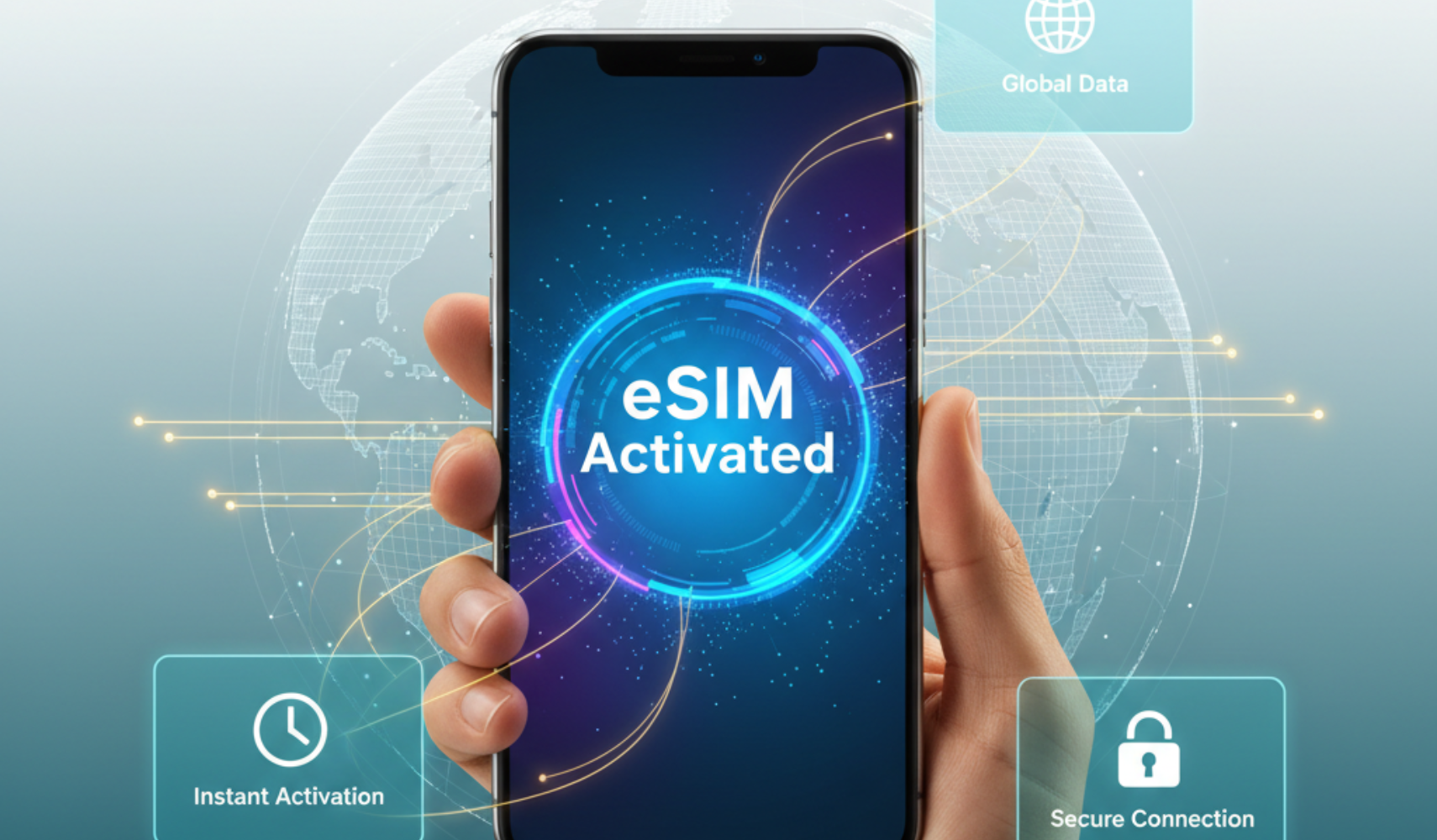
The Digital Shift: Why the Future of Mobile Connectivity Is eSIM
For decades, the small plastic SIM card has been a mandatory component of mobile communication. However, as we move through 2026, a significant technological shift is underway. The physical SIM tray is disappearing, replaced by a more elegant, efficient, and versatile solution: the eSIM. This embedded technology is not just a minor upgrade; it is the foundation of a more connected, borderless world.
What Makes eSIM the Future?
The transition to eSIM (embedded Subscriber Identity Module) is driven by three core advantages that physical cards simply cannot match: convenience, security, and design freedom.
1. Instant Global Access
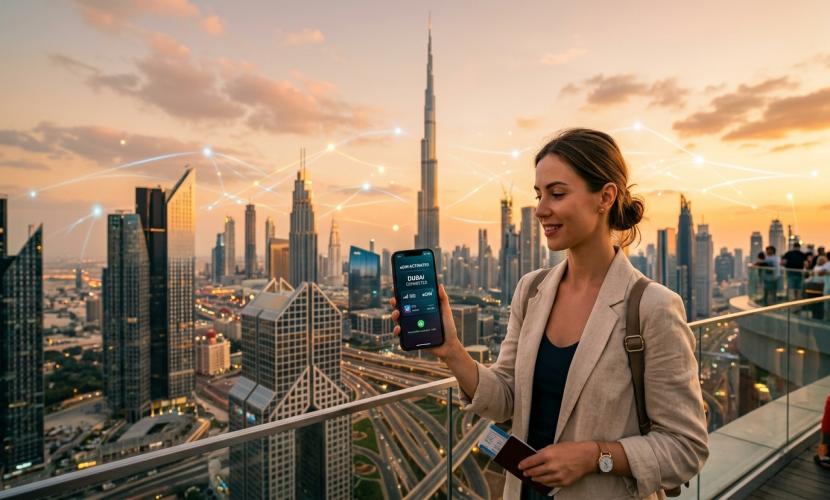
The most immediate benefit for users is the end of the "physical wait". With an eSIM, you no longer need to wait for a piece of plastic to arrive in the mail or visit a retail store to switch providers. Activation happens over-the-air (OTA) in seconds. For international travelers, this means you can purchase a data plan for your destination before you even leave home and connect the moment you land.
2. Enhanced Security and Durability
A physical SIM card can be easily removed, lost, or damaged. If a phone is stolen, a thief can remove the SIM to prevent the device from being tracked. An eSIM, however, is soldered directly onto the device's internal board. It cannot be removed, making it much harder for unauthorized users to disconnect the device from its network, which significantly aids in tracking and recovery.
3. Optimized Device Design
Removing the physical SIM tray allows manufacturers to reclaim valuable internal space. This "freed-up" real estate can be used for larger batteries, improved cooling systems, or more advanced camera modules. Furthermore, removing the tray opening makes devices more resistant to water and dust, increasing their overall longevity.
Beyond the Smartphone: The IoT Revolution
The impact of eSIM extends far beyond personal phones. It is a critical enabler for the Internet of Things (IoT). From smartwatches and fitness trackers to connected drones and industrial sensors, eSIM allows these devices to stay connected without the logistical nightmare of managing millions of physical cards. This scalability is essential for the future of smart cities and automated industries.
Conclusion
The era of the plastic SIM card is drawing to a close. As we embrace a more mobile and digital lifestyle, the eSIM stands out as the only technology capable of keeping up with our demands for speed, security, and global reach. The future is no longer in your wallet—it’s embedded in your device.